Essential Hard Hat Safety: Protection, Types, and Best Practices

What an Equipment Inspection Form Is (and Isn’t)

An equipment inspection form isn’t paperwork for the sake of paperwork. It’s a working tool—one that helps catch problems before they turn into incidents, downtime, or violations.


In fall protection, small failures lead to big consequences. Worn connectors, damaged harness webbing, missing components, or undocumented changes can all compromise a system that otherwise looks “fine.” Regular, documented inspections are how those risks get identified early.

An inspection form is not a substitute for proper system design, training, or supervision. It’s a snapshot in time that confirms:

  • Equipment is present and accounted for
  • Components are in serviceable condition
  • The system still matches the job conditions
  • Issues are identified and corrected before use

When used correctly, inspection forms create a paper trail that supports safer work—and demonstrates due diligence if something goes wrong.

What Should Be Inspected

While specific requirements vary by equipment type, most fall protection inspections should review:

  • Harnesses, lanyards, and lifelines for wear, damage, or alteration
  • Anchors and connectors for deformation, corrosion, or improper installation
  • Guardrails and temporary systems for stability and completeness
  • Labels, ratings, and manufacturer requirements
  • Evidence of previous loading or impact

Inspection forms help ensure these checks happen consistently, not just when something “looks off.”

Who Should Complete Inspections

Inspections should be performed by a competent or qualified person, depending on the system and conditions. That distinction matters. OSHA requires that fall protection plans and inspections be prepared and overseen by individuals with the appropriate training and authority, not just whoever happens to be on site.

The form should clearly identify:

  • Who completed the inspection
  • When it was completed
  • Where it applies
  • What standards were referenced

You may also be interested in:

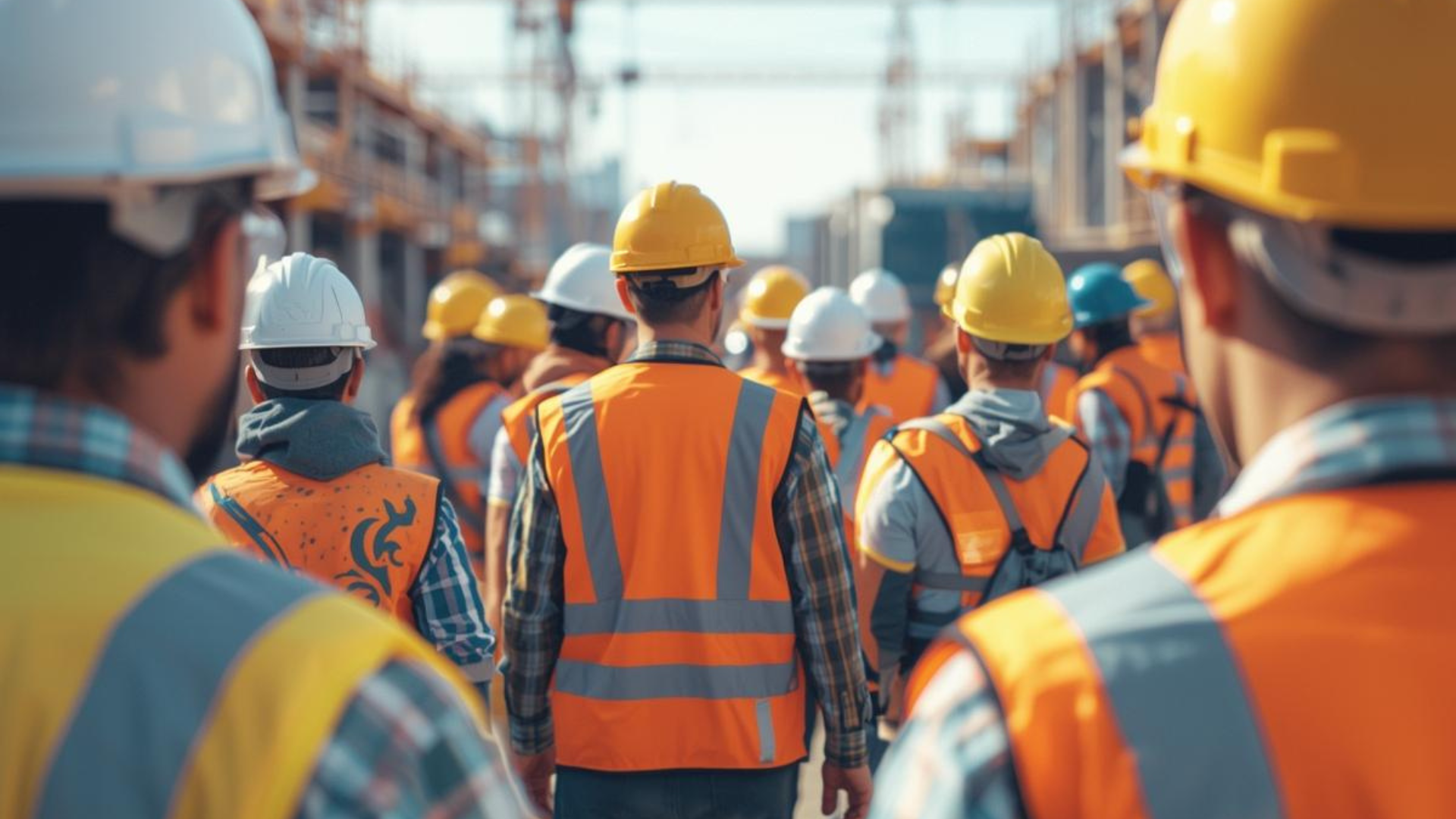
Construction workers wearing hard hats and safety vests walking on a construction site.
February 16, 2026
Essential construction safety equipment and gear every jobsite must have. From harnesses to hard hats—stay compliant and protect your crew.
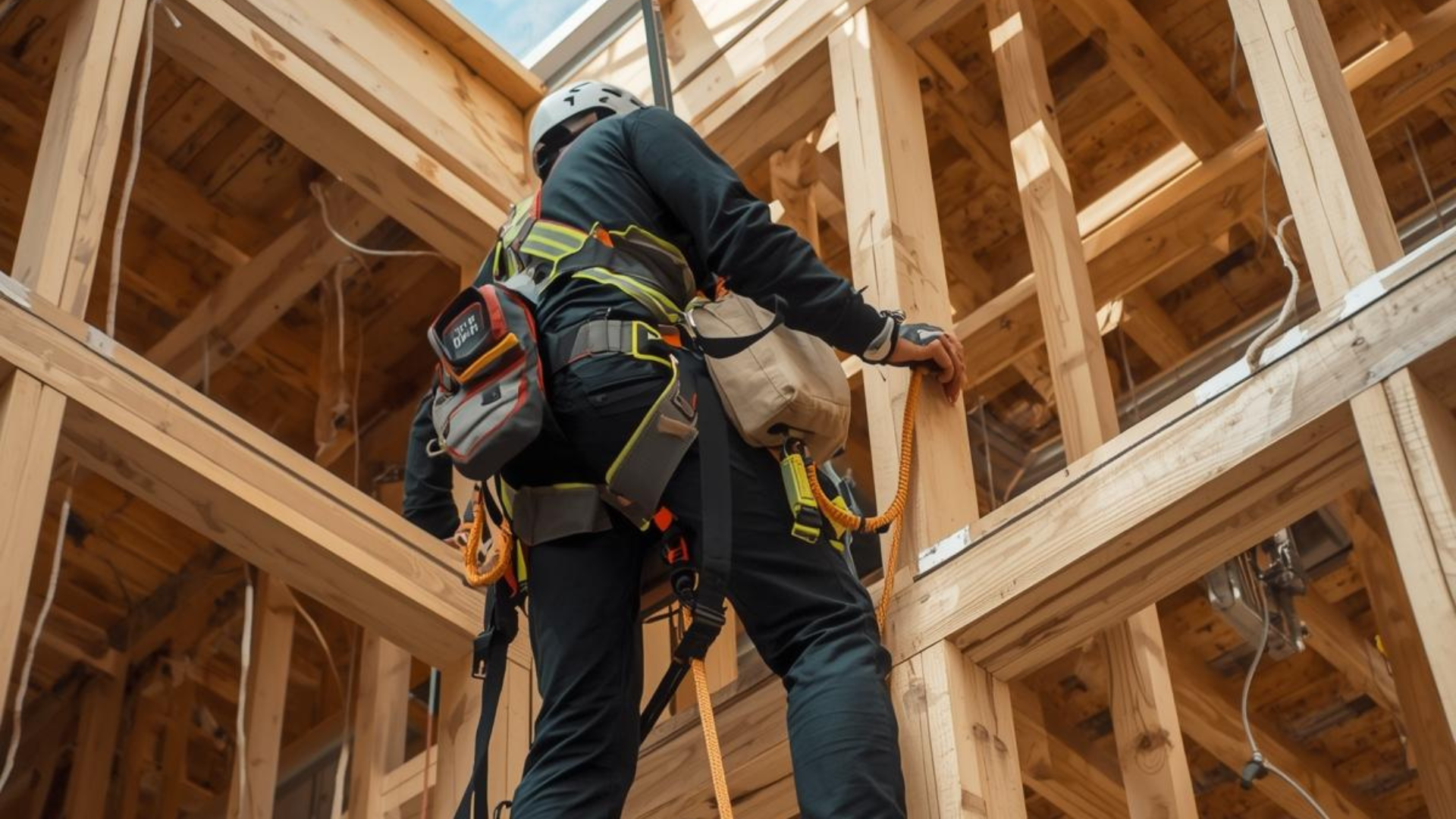
Construction worker in safety harness at wooden framing site.
February 16, 2026
Fall arrest systems explained: anchor points, lifelines, and OSHA compliance. Essential guide for construction safety at height.
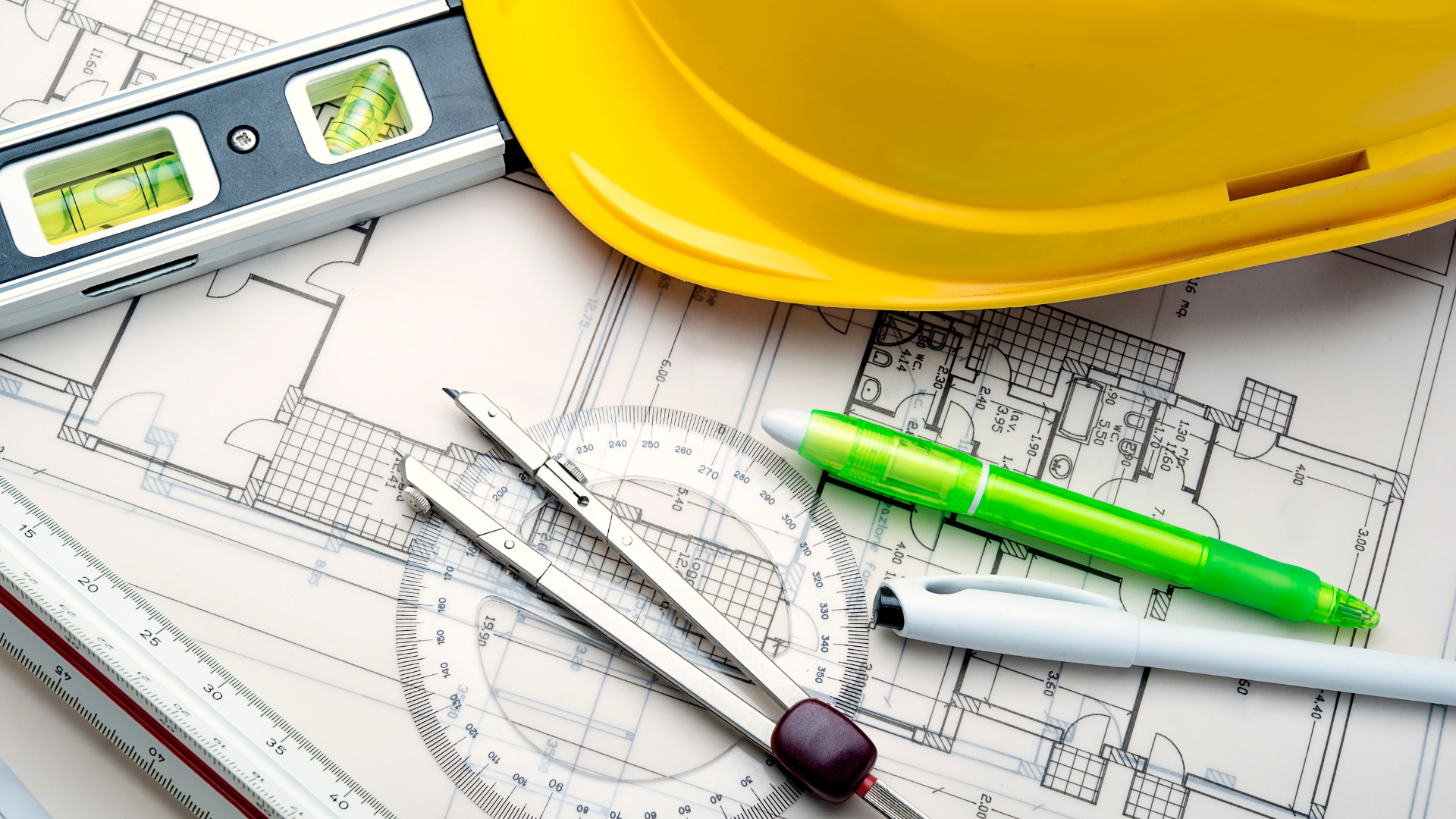
Blueprint with construction tools, including a level, hard hat, and compass.
February 16, 2026
Temporary vs permanent guardrail systems: choose the right fall protection for your construction project. Compare benefits, compliance, and application.